
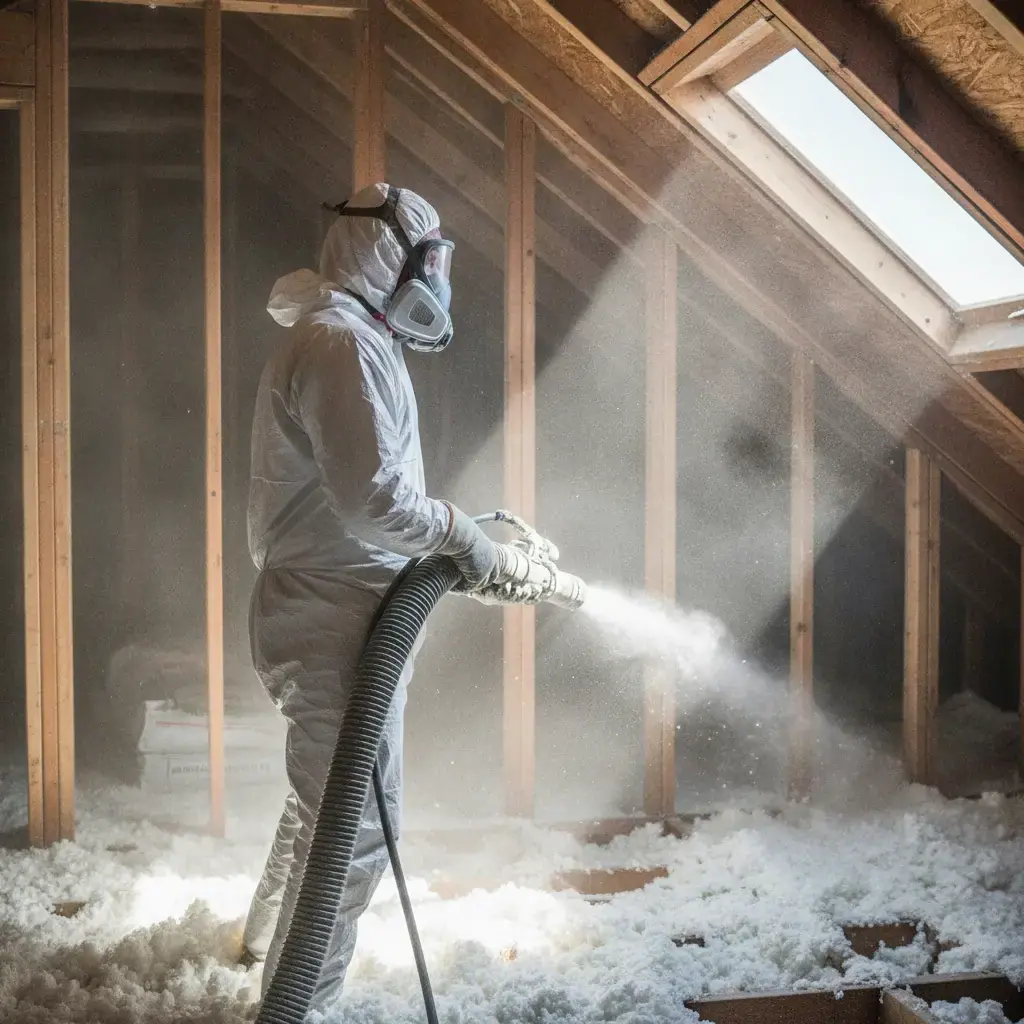
Soundproofing Insulation in Hawthorne, CA
Expert Soundproofing Insulation in Hawthorne, CA — Storm-Tested, Warranty-Backed
Get expert soundproofing insulation in Hawthorne, CA. We reduce LAX & freeway noise with spray foam, blown-in & mineral wool. Free estimates — call (424) 449-0089.
Soundproofing insulation is a specialized category of building insulation designed to reduce the transmission of airborne noise and impact vibrations through walls, floors, ceilings, and rooflines. Unlike standard thermal insulation, soundproofing-grade materials are selected and installed with acoustic performance as the primary goal, using density, mass, and decoupling techniques to keep unwanted sound out and comfortable quiet in.
Hawthorne, California sits directly beneath some of the most heavily trafficked flight corridors in the western United States, immediately adjacent to Hollywood Burbank Airport approach paths and within the federally designated noise impact zone of Los Angeles International Airport (LAX). That geographic reality means residents and business owners here experience daily aircraft noise levels that regularly exceed 65 dB — the threshold at which the Federal Aviation Administration classifies noise as a significant community impact. Add to that the constant hum of the 105 and 405 freeways, the rail traffic on the Metro Green Line, and dense residential street activity, and the case for professional soundproofing insulation in Hawthorne, CA becomes impossible to ignore.
Read moreShow less
At Hawthorne Insulation Pros, our team specializes in acoustic insulation solutions tailored to the exact building stock, neighborhood conditions, and noise profiles found throughout Hawthorne. Call us today at (424) 449-0089.
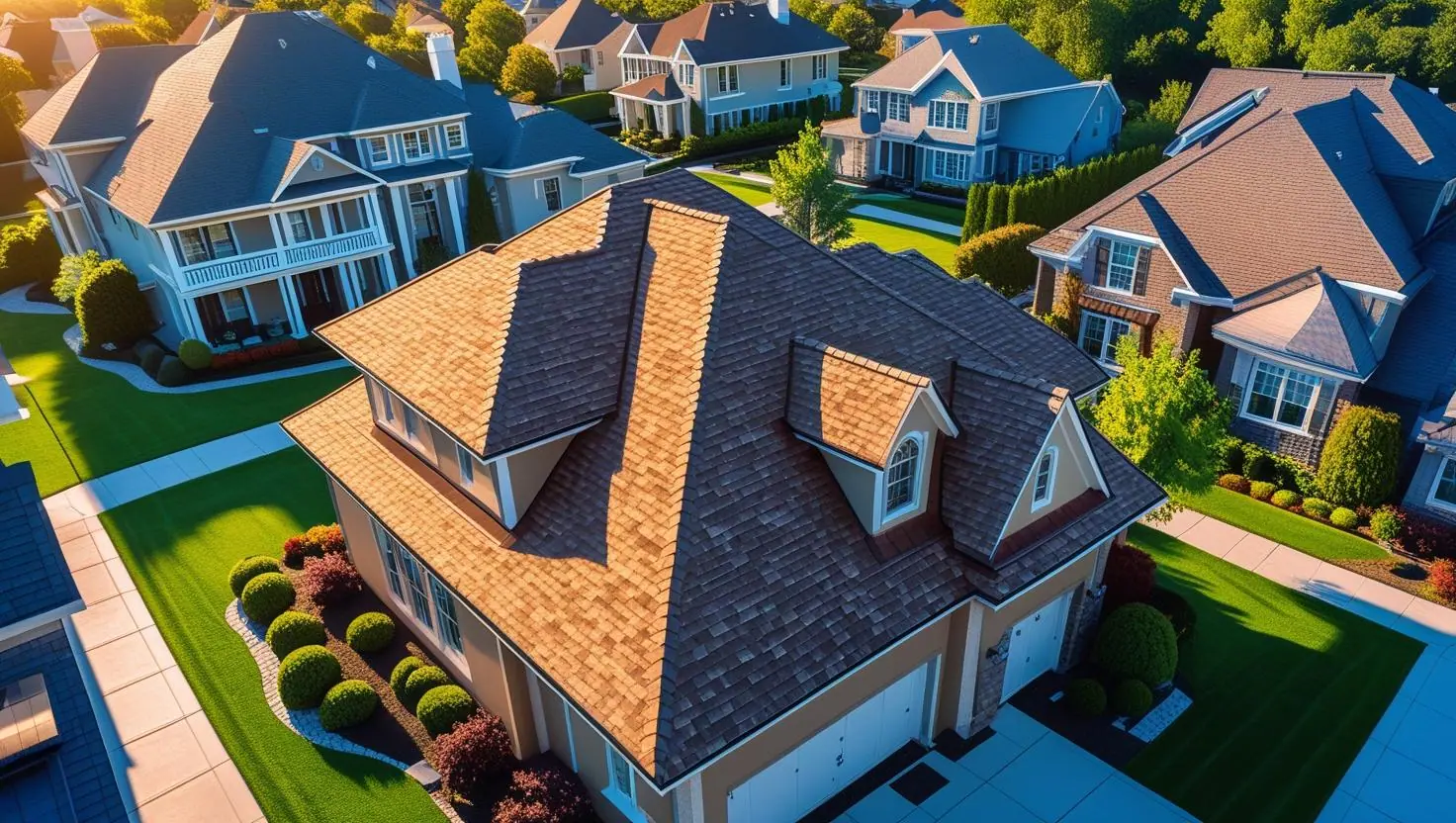
Understanding Soundproofing Insulation
Soundproofing insulation works on a set of well-established acoustic principles: absorption, damping, decoupling, and added mass. Each principle targets a different pathway through which sound travels into a living or working space.
Absorption involves porous materials — such as dense-pack cellulose or mineral wool — that convert sound wave energy into small amounts of heat as the wave passes through the material’s fiber matrix. These materials are rated by their Noise Reduction Coefficient (NRC), which ranges from 0 (perfectly reflective) to 1.0 (perfectly absorptive). High-density mineral wool batts, for example, commonly achieve NRC ratings between 0.90 and 1.05.
Mass adds physical weight to a wall or ceiling assembly, making it harder for sound waves to vibrate the structure. Sound Transmission Class (STC) ratings measure how well an assembly resists airborne sound. A standard interior wall with fiberglass batts might achieve STC 33–36, while a properly assembled soundproofing wall with resilient channels and mass-loaded vinyl can reach STC 55–60.
Read moreShow less
Damping uses viscoelastic compounds applied between drywall layers to convert vibration energy into heat before it can radiate as sound on the opposite side of a wall.
Decoupling physically separates wall or ceiling surfaces from the structural framing so that vibrations traveling through the structure cannot easily reach the finished surface. Resilient channels and sound isolation clips are common decoupling tools.
Historically, soundproofing as a residential science gained prominence in the United States during the post-World War II suburban expansion, when housing density increased and shared-wall construction became common. Hawthorne was a centerpiece of that era, with thousands of bungalows, duplexes, and small apartment buildings constructed between 1945 and 1965 specifically to house aerospace workers employed at the nearby Northrop Corporation campus and other South Bay defense contractors. Those mid-century homes, now between 60 and 80 years old, were built with single-stud framing, minimal cavity insulation, and single-pane windows — assemblies that perform poorly by any modern acoustic standard.
Today, soundproofing insulation spans a range of products including spray foam, blown-in cellulose, mineral wool batts, and hybrid assemblies. Understanding which material fits which application is the foundation of effective acoustic work, and it begins with a site-specific assessment of the noise sources, building structure, and performance goals unique to each Hawthorne property.
Why Soundproofing Insulation Is Needed in Hawthorne, CA
LAX Flight Corridor Noise
The Federal Aviation Administration’s Noise Exposure Maps for Los Angeles International Airport place a significant portion of Hawthorne within the 65 dB Day-Night Average Level (DNL) contour, and neighborhoods closer to Crenshaw Boulevard and El Segundo Boulevard regularly fall within the 70 dB DNL contour. Under FAA Order 5100.38, properties within the 65 dB DNL zone are eligible for federal noise insulation funding — a fact that underscores how serious the aircraft noise burden is here. Overhead traffic from LAX departures and arrivals on Runways 24L and 24R can produce single-event noise levels of 80–88 dB inside an uninsulated home, equivalent to standing next to a running garbage truck. These events occur dozens of times per hour during peak operations between approximately 6 a.m. and 11 p.m.
Freeway and Rail Noise
The Interstate 105 (Century Freeway) cuts directly through northern Hawthorne, and the I-405 runs along the city’s western boundary. Caltrans traffic counts document combined daily vehicle volumes exceeding 300,000 trips on these corridors. Homes within a quarter mile of the 105, including those in the Bodger Park and Holly Glen neighborhoods, experience sustained freeway noise levels of 60–72 dB. The Metro Green Line, which runs along the 105 median, adds periodic rail noise events peaking at 75 dB at trackside properties.
Dense Residential Urban Fabric
Hawthorne’s lot sizes are small by Southern California standards, often 5,000–6,000 square feet, and much of the housing stock consists of side-by-side duplexes and multi-unit buildings constructed in the 1950s through 1970s. Party walls between these units are frequently uninsulated single-stud assemblies with no acoustic treatment, allowing neighbor noise — conversation, television, music, footsteps — to transmit nearly unimpeded.
Marine Layer and Temperature Differentials
The South Bay’s marine layer creates a phenomenon called atmospheric temperature inversion, in which warmer air above traps cooler air near the ground. This inversion layer acts as a sound reflector, bending noise from distant sources — including late-night freeway traffic and early morning jet departures — downward toward residential neighborhoods. Hawthorne’s location approximately 3 miles from the Pacific Ocean means this inversion is present more than 200 nights per year, effectively amplifying ambient outdoor noise levels compared to inland communities at the same distance from noise sources.
Construction Activity and SpaceX Operations
The ongoing redevelopment of the former Northrop Grumman campus and the SpaceX headquarters at 1 Rocket Road on Jack Northrop Avenue generates periodic construction noise and, on test event days, low-frequency vibration that residents in the Ramona neighborhood and along Aviation Boulevard report feeling as well as hearing. Low-frequency noise below 250 Hz penetrates standard insulation with far less attenuation than mid and high frequencies, making specialized acoustic assemblies — not general-purpose insulation — the appropriate response.
Free, no-obligation estimates
Talk to Hawthorne Insulation Pros
Tell us what you need and we’ll take it from there.
Signs You Need Soundproofing Insulation in Hawthorne, CA
Airborne Noise Intrusion
- You can clearly hear aircraft engine noise inside your home with doors and windows closed
- Television volume must exceed 50% to compete with outside traffic or freeway noise
- Neighbor conversations, music, or TV are audible through shared walls
- You can hear Metro Green Line trains inside a room facing away from the tracks
Impact and Vibration Noise
- Footsteps from an upstairs unit are clearly audible in rooms below
- Doors closing in adjacent units cause noticeable vibration in your walls
- You feel low-frequency rumble from the 105 or 405 through the floor during peak traffic
Sleep and Productivity Disruption
- Early morning LAX departures (beginning as early as 6:00 a.m.) routinely wake household members
- Remote work or home office calls are regularly interrupted by audible background noise
- Children’s sleep is disrupted by late-evening aircraft or neighborhood noise
Structural and Material Warning Signs
- Your home was built before 1980 and has never had insulation work performed
- Visible gaps exist around electrical outlets or light switches on exterior walls — a major acoustic bypass
- Attic access reveals thin or degraded fiberglass batts with no mass-loaded layer
Urgency Indicator: If multiple signs above apply to your property, every month of delay represents continued exposure to noise levels that the EPA links to elevated blood pressure, sleep disruption, and reduced cognitive performance in children.
Our process
Our Soundproofing Insulation Process
- 01
Acoustic Site Assessment (Day 1 — 1.5 to 2 Hours)
We begin with a walk-through of your Hawthorne property using a calibrated sound level meter. We measure ambient interior noise levels in each room, identify primary noise pathways (attic, walls, shared party walls, floor assemblies), and document existing ins
- 02
Scope and Material Selection (Day 1–2 — Proposal Delivered Within 48 Hours)
Based on the assessment, we prepare a written scope of work specifying materials by type, density, and STC contribution. We account for Hawthorne-specific factors including the predominance of low-frequency aircraft noise, which favors dense-pack cellulose and
- 03
Preparation and Access (Day of Installation — 1 to 3 Hours)
We protect finished surfaces, furniture, and flooring. For blow-in applications, we drill access holes in either drywall or exterior sheathing depending on the agreed method. For open-cavity work during a renovation, we coordinate directly with your general co
- 04
Insulation Installation (1 to 3 Days Depending on Scope)
Installation crews place, spray, or blow materials to specified densities. Mineral wool batts are friction-fit at full-cavity depth. Dense-pack cellulose is blown to a minimum of 3.5 lbs per cubic foot in wall cavities. Spray foam is applied to target thicknes
- 05
Verification and Quality Check (Same Day as Completion)
We perform a post-installation sound level comparison using the same measurement protocol as the initial assessment. We also use a thermal camera to confirm uniform fill in blow-in cavities, identifying any voids that could serve as both thermal and acoustic w
- 06
Site Cleanup and Documentation (Final Day — 1 to 2 Hours)
All debris is removed, access holes are patched (or left for your drywall crew per agreement), and we provide a written completion report including pre- and post-installation measurements and a materials data sheet for your records.
Soundproofing Insulation Methods and Approaches
Dense-Pack Cellulose Insulation
Dense-pack cellulose is the most cost-effective solution for retrofitting sound insulation into existing Hawthorne homes without opening walls. Recycled paper fiber is blown under pressure into closed wall cavities, achieving densities of 3.0–3.5 lbs/ft³ that prevent settling and provide an NRC of approximately 0.75–0.80. This method is particularly well-suited to the 1950s bungalows and duplexes prevalent along Hawthorne Boulevard and in the Bodger Park area. Learn more about our blow-in insulation services
Learn moreMineral Wool Batt Insulation
Mineral wool (rock wool or slag wool) batts are the premium choice for open-cavity soundproofing during remodels or new construction. With densities of 8 lbs/ft³ and NRC ratings up to 1.05, mineral wool outperforms standard fiberglass in both sound absorption and fire resistance. It is the preferred material for party walls in Hawthorne’s multi-unit residential buildings and for home studios or home offices where maximum acoustic performance is the priority. View our full insulation installation services
Spray Foam Insulation
Closed-cell spray foam provides an air-impermeable seal that blocks airborne sound pathways through gaps, cracks, and penetrations. While spray foam’s STC contribution per inch is lower than mineral wool, its ability to eliminate acoustic bypasses makes it an essential component of any comprehensive soundproofing assembly, particularly in Hawthorne attics where gaps around recessed lights and top-plate penetrations are common noise pathways. Explore our spray foam insulation options
Learn moreBlown-In Attic Insulation with Acoustic Treatment
For homes beneath the LAX flight path, attic soundproofing combines a mass-loaded or dense-pack attic floor layer with sealed attic bypasses to create a meaningful barrier against overhead aircraft noise. Adding R-38 to R-60 of blown-in insulation over the attic floor reduces transmitted aircraft noise by an estimated 8–12 dB. See our attic insulation solutions
Learn moreSoundproofing Insulation Cost in Hawthorne, CA
Understanding the cost of soundproofing insulation in Hawthorne, CA helps homeowners and property managers budget accurately and compare proposals fairly. Pricing varies based on method, scope, and property-specific conditions.
Typical Price Ranges
- Dense-pack cellulose (retrofit wall cavities): $1.50–$3.00 per square foot of wall surface
- Mineral wool batt installation (open cavity): $2.00–$4.50 per square foot of wall surface
- Spray foam (air sealing and acoustic bypass sealing): $1.00–$2.50 per square foot, applied area
- Attic blow-in soundproofing package (including bypass sealing): $1,800–$4,500 for a typical Hawthorne 1,200–1,800 sq ft home
- Full party-wall acoustic assembly (multi-unit building): $4,500–$12,000 per unit depending on linear footage and method
- Whole-home soundproofing insulation package: $8,000–$20,000+ for comprehensive treatment of walls, attic, and floors
Read moreShow less
Factors That Affect Soundproofing Insulation Cost in Hawthorne
- Access method: Drilling through existing drywall versus open-cavity installation during renovation significantly affects labor time
- Stucco exterior: Many Hawthorne homes have hard-coat stucco that requires drilling from the interior, adding 10–15% to wall insulation labor costs
- Noise source severity: Homes in the 70 dB DNL LAX contour typically require higher-performance assemblies than those in the 65 dB zone, increasing material costs
- Building age and condition: Pre-1960 construction often reveals unexpected conditions — knob-and-tube wiring, deteriorated plaster, rodent-damaged cavities — that add remediation costs
We provide free, written estimates with itemized line items. Call (424) 449-0089 to schedule your no-obligation assessment.
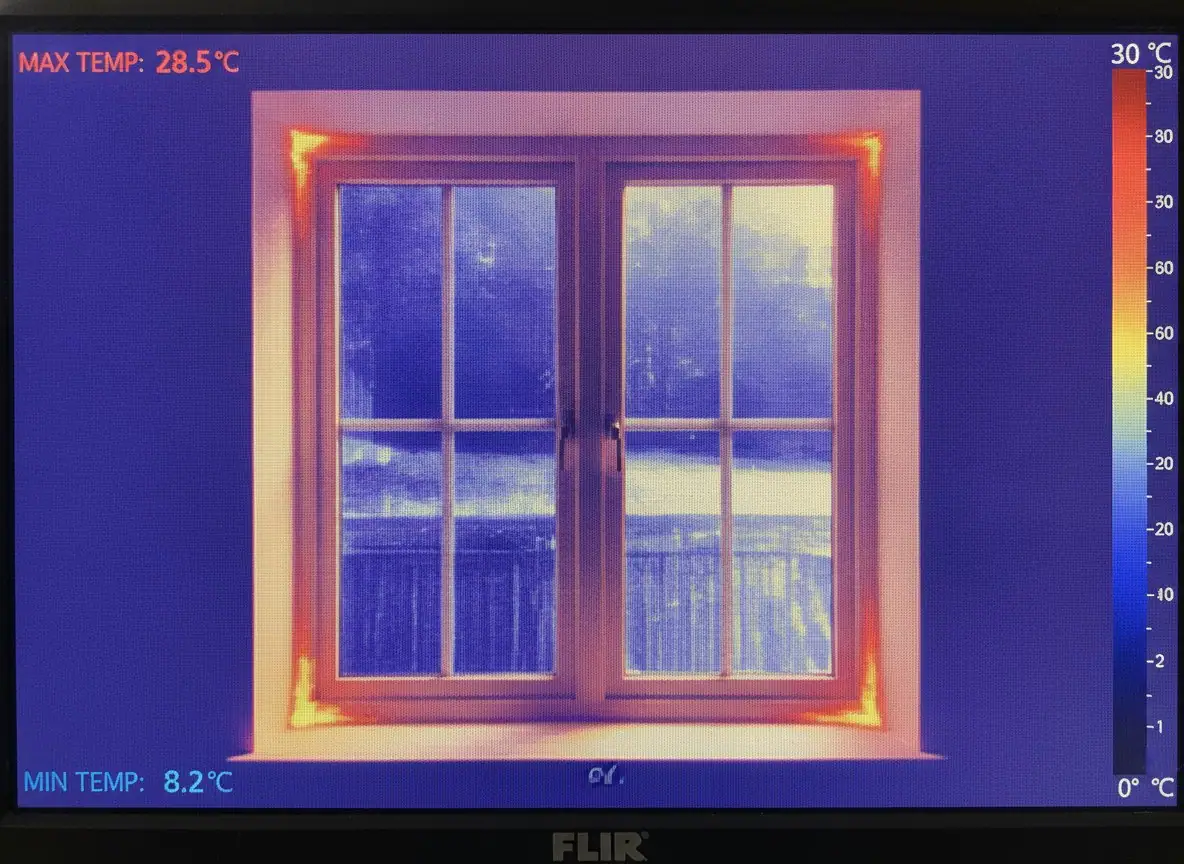
Neighborhoods We Serve in Hawthorne, CA
Bodger Park
Located in eastern Hawthorne, Bodger Park features a dense concentration of 1950s–1960s single-family homes and duplexes. Many were built during the post-war aerospace workforce expansion and have original single-stud walls with minimal or no insulation. The neighborhood sits within the 65 dB DNL LAX contour and experiences significant aircraft noise. Dense-pack cellulose retrofits are the most common solution here.
Holly Glen
Holly Glen, in northern Hawthorne adjacent to the I-105 corridor, faces the dual challenge of freeway noise from the west and Metro Green Line rail noise. Homes here, primarily from the 1960s–1970s, benefit most from combined attic insulation packages that address the overhead sound pathway and wall treatments that target the freeway-facing elevations.
Ramona / Aviation Corridor
The Ramona neighborhood along Aviation Boulevard includes a mix of 1940s bungalows and commercial-adjacent residential buildings. Proximity to the SpaceX facility and Jack Northrop Avenue industrial uses creates low-frequency noise challenges that require dense, high-mass insulation assemblies with attention to floor and foundation-level penetrations.
Hawthorne City Center
The central urban core along Hawthorne Boulevard includes older apartment buildings from the 1960s–1980s with shared party walls, thin floor assemblies, and active street-level commercial noise. Multi-unit acoustic insulation packages and crawl space treatments are frequently needed here. Learn about our crawl space insulation services
Soundproofing Insulation Maintenance Tips for Hawthorne Homeowners
- Inspect attic insulation annually every fall: South Bay temperature swings between summer heat and cooler marine-layer months can shift settled blown-in material. Check depth markers if installed, and look for gaps near eave baffles.
- Reseal electrical outlet gaskets every 3–5 years: Foam gaskets behind outlet cover plates on exterior and party walls degrade with time and are one of the most overlooked acoustic bypasses in Hawthorne’s older housing stock.
- Check crawl space vapor barriers after winter rains: Hawthorne receives modest but sometimes intense winter rainfall. Moisture intrusion beneath crawl spaces can degrade insulation and create conditions that compromise acoustic performance over time. View crawl space encapsulation services
- Listen for changes in noise transmission seasonally: The marine layer inversion is strongest in May through July (the “June Gloom” season). If noise seems louder during these months, it may not be your insulation failing — it is atmospheric — but it is a good reminder to schedule an inspection.
- Inspect around HVAC penetrations and ductwork annually: Heating and cooling systems in Hawthorne homes frequently run flex duct through walls and ceilings. Gaps around duct boots are common acoustic bypasses that can be sealed with acoustical caulk.
- Replace degraded door and window acoustic seals every 5–7 years: Even well-insulated walls lose acoustic performance if door and window perimeter seals have hardened or cracked from UV and heat exposure.
- Schedule a professional acoustic re-assessment after any major renovation: Remodeling work frequently disturbs existing insulation. Any wall, ceiling, or floor work is an opportunity to upgrade acoustic performance while cavities are open.
Why Choose Hawthorne Insulation Pros
Hawthorne Insulation Pros is a locally based insulation contractor with deep familiarity with the South Bay’s specific building stock, noise environment, and residential needs. Our crews work in Hawthorne’s neighborhoods every week — not as an out-of-area franchise dispatched from across Los Angeles County, but as neighbors who understand the difference between a Bodger Park bungalow and a Holly Glen ranch home and how each requires a different acoustic approach.
We specialize in the full spectrum of insulation services relevant to soundproofing: insulation installation, spray foam insulation, attic insulation, blow-in insulation, crawl space encapsulation, crawl space insulation, insulation removal, and insulation replacement. This breadth means we can handle complete acoustic renovation projects without subcontracting critical phases to unknown crews.
Read moreShow less
We use calibrated sound level measurement at every project, before and after, so you receive documented proof of acoustic improvement — not just a promise. Our written estimates are itemized, transparent, and honored. Call us at (424) 449-0089 to experience the difference that local expertise makes.
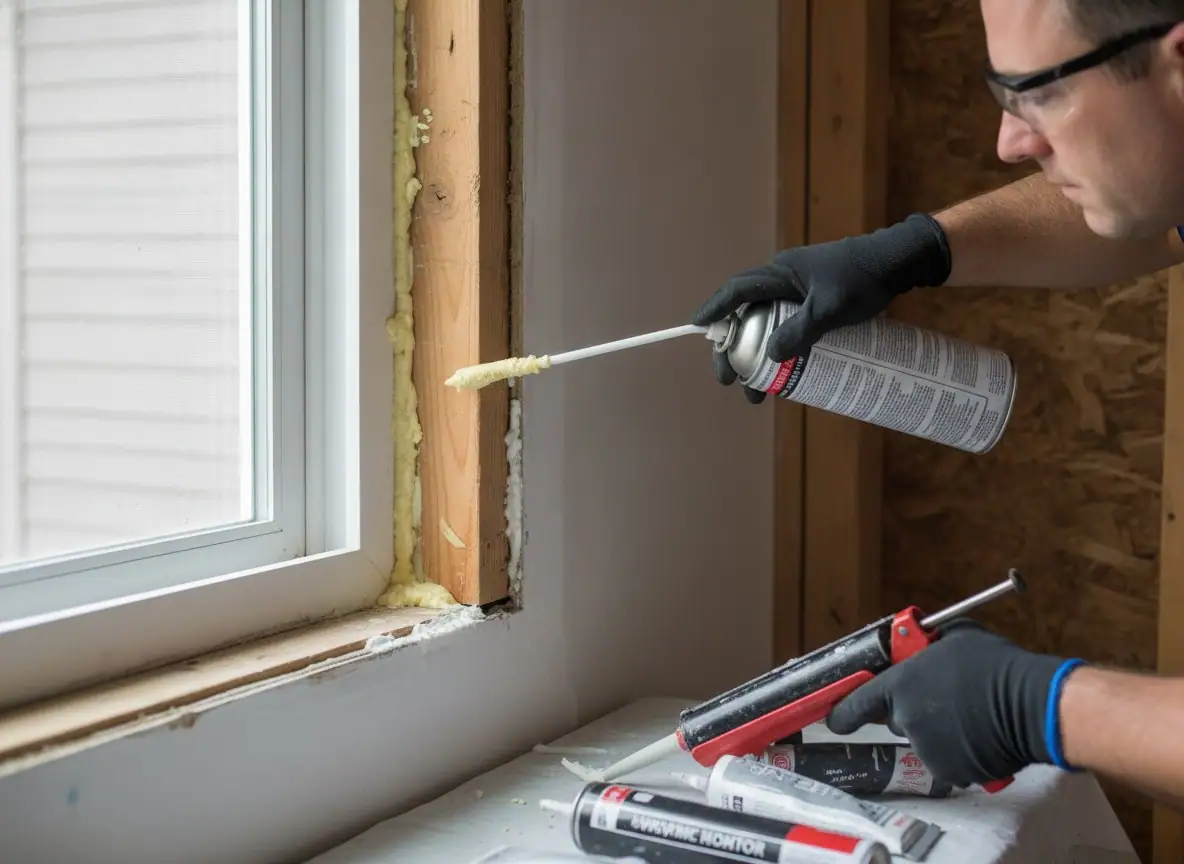
FAQ
Frequently Asked Questions About Soundproofing Insulation in Hawthorne, CA
How much does soundproofing insulation cost in Hawthorne, CA?
Costs vary significantly based on scope and method. A single-room wall retrofit using dense-pack cellulose typically runs $800–$2,500. A full attic soundproofing package for a 1,400 sq ft Hawthorne home costs approximately $1,800–$4,500. Comprehensive whole-home acoustic insulation projects range from $8,000 to $20,000 or more. Hawthorne-specific factors — stucco exteriors, pre-1960 construction conditions, and the need for high-performance assemblies due to LAX proximity — can push projects toward the higher end of national ranges. We provide free written estimates after an on-site assessment.
Will soundproofing insulation block aircraft noise from LAX?
Soundproofing insulation significantly reduces aircraft noise but does not eliminate it entirely. A well-executed acoustic insulation project targeting attic, wall, and bypass sealing can reduce perceived aircraft noise by 8–15 dB, which represents a 50–70% reduction in perceived loudness. Maximum results require attention to all noise pathways simultaneously — insulation alone without addressing windows, doors, and mechanical penetrations will leave meaningful noise gaps.
How long does soundproofing insulation installation take?
A single-room retrofit typically takes one day. A full attic treatment takes one to two days. Whole-home projects typically require three to five business days. We schedule work to minimize disruption to households and can often phase projects room by room to keep living spaces functional throughout the process.
Is my Hawthorne home eligible for the FAA noise insulation program?
Homes within the FAA’s 65 dB DNL noise contour around LAX may be eligible for the Los Angeles World Airports (LAWA) Residential Sound Insulation Program, which has historically provided funded window, door, and insulation upgrades at no cost to eligible homeowners. However, program funding cycles are limited and waitlists exist. Our team can review your address against current contour maps and advise whether private soundproofing insulation work is the most practical near-term solution while you await potential program eligibility.
What is the difference between soundproofing insulation and regular insulation?
Standard thermal insulation is optimized for R-value — resistance to heat flow. Soundproofing insulation is selected and installed with STC and NRC ratings as the primary criteria, which often means using denser, heavier materials like mineral wool or dense-pack cellulose instead of light fiberglass batts. The installation method also differs: acoustic work requires careful attention to sealing all penetrations, using resilient fastening systems, and avoiding shortcuts that create acoustic bypasses. Standard insulation contractors may not have experience with these acoustic-specific practices.
Can I soundproof my apartment or rental unit in Hawthorne?
Tenant-initiated soundproofing is possible and legally straightforward in California for modifications that are removable or that improve the property with landlord consent. In practice, most tenants in Hawthorne’s older apartment stock address sound primarily through window inserts and door seals. However, if you are a property owner managing a multi-unit building, investing in party-wall acoustic insulation between units increases tenant retention, reduces noise complaints, and supports higher rental valuations in a competitive South Bay market.
Does soundproofing insulation also improve energy efficiency?
Yes. Dense-pack cellulose and mineral wool both provide meaningful R-values — R-3.7 per inch and R-4.2 per inch respectively — in addition to their acoustic benefits. In Hawthorne’s climate (IECC Zone 3), upgrading wall and attic insulation to current standards typically yields annual energy savings of 15–25% on heating and cooling costs, making acoustic insulation projects financially beneficial on multiple dimensions simultaneously.
How do I know if my existing insulation needs to be removed before soundproofing work?
Insulation removal is necessary when existing material is contaminated (rodent activity, mold, vermiculite asbestos in pre-1980 attics), severely degraded, or structurally incompatible with the planned acoustic assembly. Hawthorne’s older housing stock sometimes contains vermiculite attic insulation — a potential asbestos source — that must be tested and, if positive, professionally abated before any new work proceeds. Our initial assessment includes an inspection for these conditions. Learn about our insulation removal services
Get a Free Soundproofing Insulation Estimate in Hawthorne, CA
You deserve a quiet home, and in Hawthorne, CA — with LAX overhead, the 105 and 405 nearby, and the Metro Green Line running through the neighborhood — achieving that quiet requires professional, targeted soundproofing insulation work from a team that knows this city’s noise challenges from the inside out.
Hawthorne Insulation Pros is ready to assess your property, recommend the right acoustic insulation solution, and deliver documented, measurable results. Our estimates are free, written, and come with no sales pressure — just honest, expert guidance from a local team.
Call us now at (424) 449-0089 to schedule your acoustic site assessment. We serve all Hawthorne neighborhoods including Bodger Park, Holly Glen, Ramona, and the Aviation Boulevard corridor. Quiet starts with one call.
Get in touch
Find insulation help near you
Request a free estimate online or give us a call — our team will follow up quickly.
- Call us(424) 449-0089
- Visit4910 W Rosecrans Ave, Hawthorne, CA 90250
- HoursMon-Sun 07:00-19:00