Insulation Removal in Hawthorne, CA
Energy-Saving Insulation Removal in Hawthorne, CA for Hawthorne, CA Homes — Licensed & Insured
Need insulation removal in Hawthorne, CA? Hawthorne Insulation Pros offers safe, affordable attic insulation removal for South Bay homes. Call (424) 449-0089 today.
Insulation removal is the professional extraction and safe disposal of old, damaged, or contaminated insulation materials from your home or commercial property. For Hawthorne residents, this service is especially critical given the area’s coastal climate influence, aging housing stock, and history of seismic activity that can degrade insulation over time.
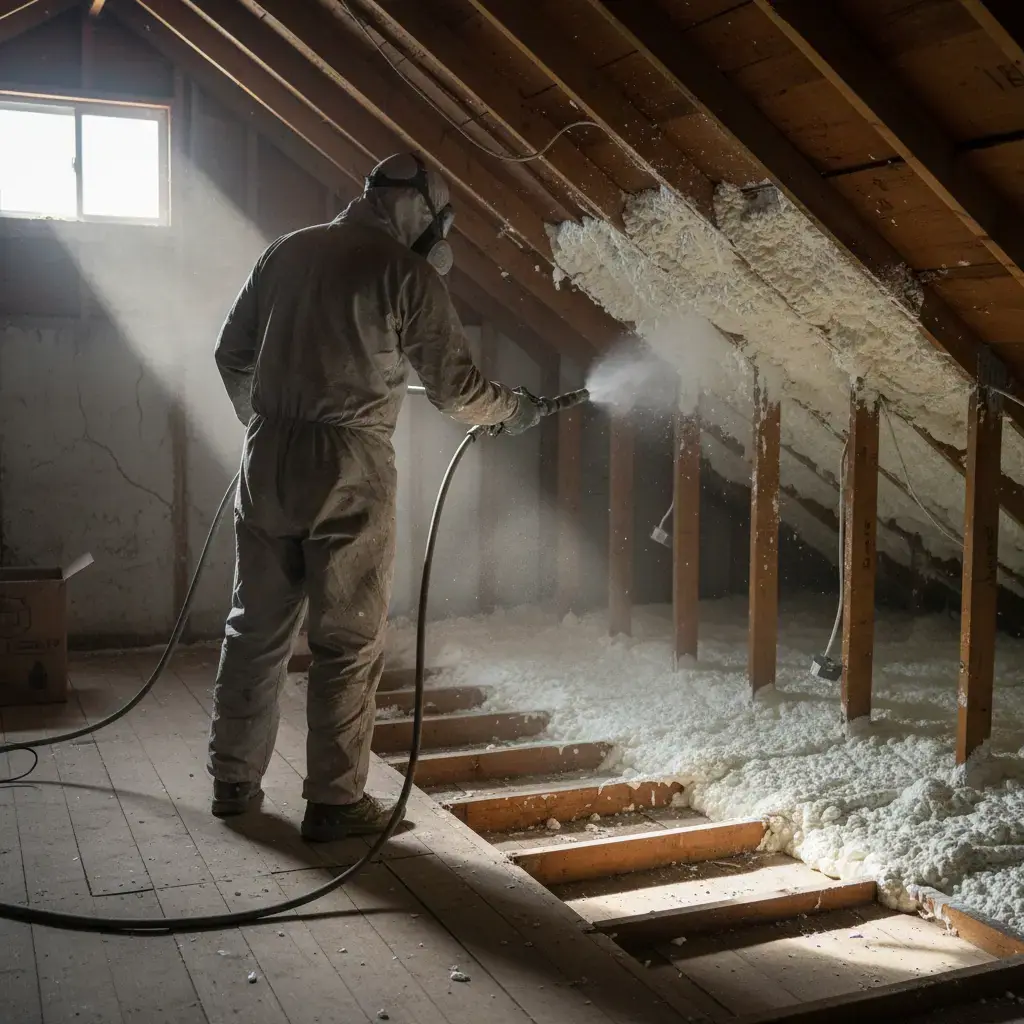
At Hawthorne Insulation Pros, we specialize in complete insulation removal throughout Hawthorne, CA and the surrounding South Bay communities. Whether your attic contains deteriorated fiberglass batts from a 1960s build, blown-in cellulose contaminated by moisture intrusion, or vermiculite materials common in mid-century Hawthorne construction, our trained technicians handle it all. We combine advanced vacuum extraction equipment with industry-safe protocols to protect your home and your family.
Read moreShow less
From the neighborhoods near Hawthorne Boulevard to the streets adjacent to Northrop Grumman’s sprawling campus, we understand the unique structural characteristics and environmental conditions that affect Hawthorne properties. Call us today at (424) 449-0089 to schedule your free assessment.
Understanding Insulation Removal
Insulation removal is far more than simply pulling old material out of an attic or wall cavity. It is a precise, safety-conscious process that involves assessing existing insulation type and condition, containing potentially hazardous particulates, extracting materials using industrial-grade equipment, and preparing surfaces for new insulation installation. The goal is to restore your home’s thermal envelope — the continuous barrier of insulation and air sealing that controls heat flow — to peak performance.
Historically, insulation methods in Southern California evolved significantly throughout the twentieth century. Homes built before 1940 often relied on minimal rock wool or no insulation at all. The post-World War II housing boom, which dramatically shaped cities like Hawthorne during the 1950s and 1960s, introduced fiberglass batt insulation as a standard product. By the 1970s and 1980s, blown-in cellulose became popular as an energy-efficient retrofit. Each of these generations of insulation materials has a finite lifespan, and many Hawthorne properties still carry original insulation that is now 50 to 70 years old.
Read moreShow less
Hawthorne’s building landscape reflects this history vividly. The city contains a dense mix of single-family bungalows built in the 1940s and 1950s, apartment complexes from the 1960s and 1970s, and light commercial structures. Many of these buildings were constructed during an era when insulation standards were minimal by today’s benchmarks. California’s Title 24 energy code, introduced in 1978 and updated repeatedly since, has made proper insulation a legal requirement for remodels and new construction, but older existing insulation is often grandfathered in until problems arise.
Understanding what type of insulation is in your Hawthorne home is the first step. Common types requiring removal include fiberglass batts (loose or faced), blown-in fiberglass, blown-in cellulose, spray foam (open or closed cell), and in pre-1980 structures, potentially asbestos-containing materials that demand licensed hazmat handling. Proper identification ensures the right removal approach is used, protecting both your home and the technicians performing the work.
Insulation removal also prepares the path for professional insulation installation, blow-in insulation services, and complete attic insulation upgrades that meet current California energy codes.
Why Insulation Removal Is Needed in Hawthorne, CA
Marine Climate Moisture Intrusion
Hawthorne sits approximately 4.5 miles from the Pacific Ocean, placing it squarely within the South Bay’s marine influence zone. The city regularly experiences June Gloom — the marine layer phenomenon that blankets coastal Los Angeles from May through July — which drives ambient humidity levels significantly higher than inland areas. During peak marine layer months, Hawthorne’s relative humidity can reach 85 to 90 percent in early morning hours. This sustained moisture exposure penetrates attic spaces through ridge vents, soffit vents, and construction gaps, saturating blown-in cellulose insulation and causing fiberglass batts to lose up to 40 percent of their rated R-value when wet. Once cellulose absorbs moisture, it compacts and becomes an ideal growth medium for mold and mildew, posing health risks and requiring immediate removal.
Seismic Activity and Structural Shifting
The Hawthorne area sits near multiple active fault systems, including the Inglewood Fault Zone, which runs roughly north-south through the region. The 1994 Northridge Earthquake (magnitude 6.7) caused significant structural damage across the South Bay, including in Hawthorne neighborhoods like Holly Park and the streets surrounding Prairie Avenue. Seismic events cause wall cavities to shift and settle, compressing batt insulation and creating air gaps between insulation and framing. Even moderate earthquakes registering 4.0 or above on the Richter scale — which occur several times per decade in this zone — can displace blown-in insulation within attic bays, creating uninsulated voids that drive up energy costs dramatically.
Aircraft Noise Vibration
Hawthorne is home to the Hawthorne Municipal Airport (HHR) on Crenshaw Boulevard, and the city sits within the flight path of Los Angeles International Airport (LAX), just 3.8 miles to the north. Decades of low-frequency vibration from aircraft, combined with ground-level noise from the Metro C Line (formerly the Green Line) that runs through the city, gradually loosens blown-in insulation from its installed position. This settling reduces effective coverage depth — where R-38 coverage may drop to an effective R-26 over 15 to 20 years without any visible surface damage.
Pest Infestation
Hawthorne’s warm climate and mature tree canopy along streets like El Segundo Boulevard and Imperial Highway create favorable conditions for roof rats and Norway rats, which are endemic to the South Bay. Rodents nest in attic insulation, contaminating it with urine, feces, and dander that render it biologically hazardous. Once infestation is confirmed, full insulation removal is the only safe remediation — spot cleaning is insufficient to eliminate pathogen risk. The Hawthorne area also sees significant activity from Argentine ants and subterranean termites, both of which tunnel through batt insulation and compromise its structural integrity.
Aging Building Stock
Many Hawthorne homes were built between 1945 and 1970, during which vermiculite attic insulation — later discovered to sometimes contain asbestos contamination from the Libby, Montana mine — was commonly used. Properties in the Ramona Park and Bodger Park neighborhoods of Hawthorne have the highest density of this construction era. Any home in these neighborhoods with original attic insulation should be tested before any removal work begins, requiring licensed asbestos abatement professionals if contamination is confirmed.
Free, no-obligation estimates
Talk to Hawthorne Insulation Pros
Tell us what you need and we’ll take it from there.
Signs You Need Insulation Removal in Hawthorne
Energy and Comfort Indicators
- Monthly electricity bills exceeding $180 to $220 for a standard 1,500-square-foot Hawthorne home during summer cooling season
- Rooms above the garage or near the roofline that are consistently 5 to 8 degrees warmer than the rest of the home
- HVAC system running continuously during afternoon peak hours (2 PM to 6 PM) without reaching the set temperature
Visual and Physical Signs
- Visible mold or dark staining on attic insulation surfaces or the underside of roof decking
- Compressed or matted fiberglass batts with visible gaps between batts and framing members
- Blown-in insulation depth below 8 inches (indicating significant settling from the original 12-to-14-inch installation depth)
- Rodent droppings, nesting materials, or tunnels visible in attic insulation
- Unpleasant musty or ammonia odors emanating from attic access points
Urgency Indicators
- Any known or suspected asbestos-containing insulation in homes built before 1980 — requires immediate professional assessment
- Recent confirmed rodent infestation with active pest control treatment complete — insulation removal should follow immediately after extermination
- Water damage to attic from roof leak — wet insulation must be removed within 24 to 48 hours to prevent mold establishment
Insulation Removal Methods We Use
Pneumatic Vacuum Extraction
The most common method we deploy in Hawthorne attics, pneumatic vacuum extraction uses large-diameter hoses connected to truck-mounted industrial vacuums to pull loose-fill cellulose or blown-in fiberglass from attic cavities. This approach works best in open, accessible attics — common in Hawthorne’s post-war ranch-style homes — and can clear large areas quickly with minimal mess in the living space below.
Manual Batt Removal
Fiberglass or mineral wool batts installed between joists or rafters are removed by hand using protective equipment. This method is standard for Hawthorne’s 1950s and 1960s tract homes where batts were laid between ceiling joists. Batts are bagged on-site and removed without vacuum equipment, reducing equipment setup time for smaller jobs.
Wet Spray Foam Removal
Closed-cell or open-cell spray foam requires mechanical removal using cutting tools, grinders, or dry ice blasting equipment. This specialized approach is used in Hawthorne properties where previous owners installed spray foam as an air sealing measure, particularly in crawl spaces of raised-foundation homes common in the city’s older residential blocks near 120th Street.
Hazardous Material Abatement Protocol
When asbestos-containing insulation is identified in Hawthorne homes built before 1978, we coordinate with state-licensed abatement contractors to perform containment, wet-method removal, and certified disposal per California Code of Regulations Title 8, Section 1529. This protocol applies frequently in Hawthorne’s Ramona Park neighborhood, where mid-century construction is prevalent.
Combination Extraction for Mixed Insulation Types
Many Hawthorne attics contain layers of different insulation types installed in successive decades — original fiberglass batts overlaid with blown-in cellulose added during a 1980s retrofit, for example. Our technicians assess layering and apply the appropriate removal technique for each layer sequentially.
Insulation Removal Cost in Hawthorne, CA
Understanding insulation removal costs in Hawthorne helps homeowners budget accurately and avoid surprises. Pricing varies based on attic size, insulation type, contamination status, and accessibility.
Typical Price Ranges
- Small attics (under 800 sq ft): $500 to $900 for standard blown-in or batt removal
- Medium attics (800 to 1,500 sq ft): $900 to $1,800 — covers most Hawthorne single-family homes
- Large attics (1,500 to 2,500 sq ft): $1,800 to $3,200
- Rodent-contaminated insulation: Add $300 to $700 for sanitization treatment above standard removal pricing
- Asbestos abatement (if required): $1,500 to $5,000+ depending on volume, managed through licensed abatement subcontractors
Read moreShow less
Factors That Affect Your Insulation Removal Cost
- Attic height and accessibility: Low-clearance attics common in Hawthorne’s mid-century flat-roof commercial buildings require more labor time
- Insulation depth and density: Deeply settled blown-in insulation is denser and takes longer to extract
- Contamination level: Rodent infestation or mold presence adds sanitization steps and protective equipment costs
- Disposal fees: Los Angeles County disposal costs are factored into our all-inclusive pricing
Hawthorne-Specific Pricing Context
South Bay labor rates and disposal costs in Los Angeles County make Hawthorne insulation removal pricing slightly higher than Inland Empire markets — typically 10 to 15 percent. However, the energy savings from replacing degraded insulation with current California Title 24-compliant materials typically deliver a full return on investment within three to five years through reduced HVAC costs. Call us at (424) 449-0089 for a precise quote based on your specific property.
Hawthorne Neighborhoods We Serve
Holly Park
Located in central Hawthorne near Hawthorne Boulevard and El Segundo Boulevard, Holly Park features predominantly post-war bungalows built between 1945 and 1958. These homes frequently have original fiberglass batt insulation that is now 60 to 70 years old, well past its effective lifespan. Many Holly Park properties also have low-slope roofs that create minimal attic clearance, requiring our compact extraction equipment for safe access.
Ramona Park
In the northwest quadrant of Hawthorne near 120th Street and Prairie Avenue, Ramona Park contains some of the city’s oldest residential stock, with homes dating to the late 1930s and 1940s. This neighborhood has the highest probability of encountering vermiculite or other legacy insulation materials that may require hazardous material assessment prior to removal work.
Bodger Park
Southeast Hawthorne’s Bodger Park neighborhood, near Inglewood Avenue and 135th Street, features a mix of 1950s tract homes and 1970s apartment complexes. The apartment buildings in this area frequently have blown-in cellulose that has compacted significantly over 40 to 50 years, reducing R-values to ineffective levels and often harboring moisture damage from South Bay humidity exposure.
Areas Near Hawthorne Municipal Airport
Properties within a half-mile of the Hawthorne Municipal Airport on Crenshaw Boulevard experience elevated low-frequency vibration that accelerates insulation settling. Homeowners in this corridor report the highest rates of thermal comfort complaints and energy cost increases among Hawthorne’s residential zones.
Insulation Maintenance Tips for Hawthorne Homeowners
- Inspect attic insulation annually in October before winter heating season — check for signs of moisture, settling, or pest activity. Hawthorne’s June Gloom season ends by August, making early fall the ideal inspection window.
- Maintain attic ventilation by keeping soffit vents clear of debris. Blocked ventilation accelerates moisture buildup in the marine-influenced South Bay climate.
- Check roof flashing and seals after any earthquake registering 3.5 or higher — even minor seismic events can open roof penetrations that allow water to reach insulation.
- Install rodent exclusion measures along rooflines and around utility penetrations before the fall nesting season (September through November), when roof rat activity peaks in Hawthorne.
- Monitor your energy bills monthly — a 15 percent or greater increase in summer electricity costs without a change in usage habits is a reliable early indicator of insulation performance decline.
- Keep attic access hatches properly sealed with weatherstripping to prevent conditioned air from escaping into the unconditioned attic space.
- Schedule a professional insulation depth measurement every five years to track settling and ensure your attic maintains the California Title 24 minimum of R-38 for Climate Zone 8.
Why Choose Hawthorne Insulation Pros
Hawthorne Insulation Pros is a locally focused insulation contractor serving Hawthorne and the broader South Bay region. Unlike national franchise operations that apply generic approaches, we have built our practice around the specific building types, climate conditions, and regulatory environment that define Hawthorne, CA.
Our team is trained in the nuances of South Bay coastal construction, from the low-clearance attics of Holly Park bungalows to the flat-roof commercial structures near the Hawthorne Municipal Airport. We work with full knowledge of California’s Title 24 energy compliance requirements and Los Angeles County environmental regulations governing insulation disposal.
We offer comprehensive services beyond removal alone, including attic insulation installation, blow-in insulation services, and full insulation installation for new and remodeled Hawthorne properties. Our customers in Ramona Park, Bodger Park, Holly Park, and across the South Bay trust us because we communicate clearly, arrive on schedule, and leave properties cleaner than we find them.
Ready to address your insulation concerns? Call (424) 449-0089 for your free Hawthorne property assessment today.
FAQ
Frequently Asked Questions About Insulation Removal in Hawthorne, CA
How much does insulation removal cost in Hawthorne, CA?
For a typical Hawthorne single-family home with an attic between 800 and 1,500 square feet, insulation removal costs range from $900 to $1,800. Smaller jobs under 800 square feet start around $500, while larger attics or those with rodent contamination can reach $3,200 or more. Hawthorne pricing reflects South Bay labor rates and Los Angeles County disposal fees. We provide written quotes after a free on-site assessment.
How long does insulation removal take?
Most Hawthorne residential attic removal jobs are completed in a single day. A standard 1,200-square-foot attic with blown-in insulation takes three to five hours for extraction, plus an additional one to two hours for cleanup and sanitization. Larger attics or those requiring asbestos abatement coordination may extend the timeline to two or three days.
Does my Hawthorne home have asbestos in the insulation?
Homes built before 1980 in Hawthorne — particularly in Ramona Park, Bodger Park, and Holly Park — may contain asbestos-associated insulation materials such as vermiculite. We strongly recommend laboratory testing before any removal work is performed on pre-1980 properties. Testing typically costs $25 to $75 per sample and returns results within 24 to 48 hours.
Can I stay in my home during insulation removal?
In most cases, yes. Our containment procedures — sealing HVAC registers, covering flooring, and using HEPA-filtered vacuum equipment — allow residents to remain in the home during standard removal work. However, for rodent-contaminated insulation or asbestos abatement work, we recommend temporary relocation for 24 hours as a precaution.
How do I know if my Hawthorne attic insulation is causing high energy bills?
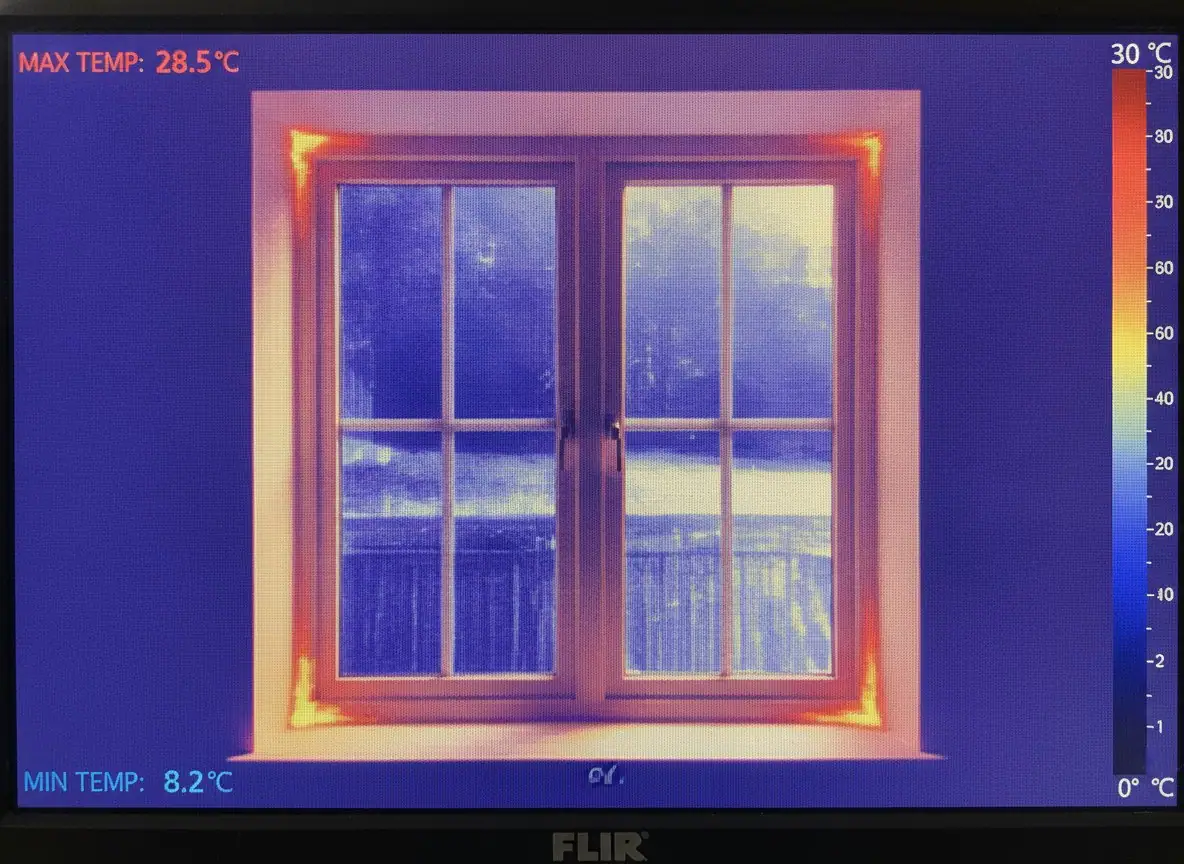
If your summer electricity bills have increased significantly without a corresponding change in usage, and your HVAC system runs continuously during Hawthorne’s afternoon peak heat hours (2 PM to 6 PM) without reaching your set temperature, degraded insulation is a likely contributor. We offer free thermal performance assessments to measure your current R-value against California Title 24 Climate Zone 8 benchmarks.
What happens to my old insulation after removal?
All extracted insulation is sealed in heavy-duty poly bags and transported to licensed disposal facilities in compliance with Los Angeles County waste management regulations. We provide documentation of disposal for your records. We never dump material on-site or transport insulation in open vehicles.
Do I need a permit for insulation removal in Hawthorne?
Standard insulation removal in Hawthorne does not require a building permit. However, if asbestos abatement is necessary, the abatement contractor must file notification with the South Coast Air Quality Management District (SCAQMD) in accordance with California regulations. We manage this coordination on your behalf.
How soon after removal can new insulation be installed?
In most cases, new insulation can be installed the same day as removal or the following day, depending on whether sanitization treatments require cure time. If rodent decontamination treatment is applied, we recommend allowing 24 hours before new material is installed. We can schedule your insulation installation back-to-back with removal to minimize the time your attic is unprotected.
Get Your Free Insulation Removal Quote in Hawthorne, CA
Don’t let degraded, contaminated, or aging insulation drive up your energy bills or compromise your family’s health. Hawthorne Insulation Pros is ready to assess your property, explain your options clearly, and complete the job efficiently — with no mess left behind.
We serve Hawthorne and all surrounding South Bay communities including Lawndale, Gardena, Inglewood, Torrance, Redondo Beach, Manhattan Beach, El Segundo, Culver City, Compton, Carson, and more.
Call us now at (424) 449-0089 to schedule your free on-site assessment. Our team is available Monday through Saturday and can typically schedule assessments within two business days for Hawthorne properties.
You can also explore our full range of services: attic insulation, blow-in insulation, and insulation installation for Hawthorne homes and businesses.
Get in touch
Find insulation help near you
Request a free estimate online or give us a call — our team will follow up quickly.
- Call us(424) 449-0089
- Visit4910 W Rosecrans Ave, Hawthorne, CA 90250
- HoursMon-Sun 07:00-19:00